Source Micro Insert Sterling Silver Beads for Jewelry Making
Compare 30 listings of micro insert sterling silver beads from verified Chinese suppliers. Buyers can evaluate sizes ranging from 2 mm to 12 mm, plating options, and packaging details for bracelet and necklace projects; compare the available evidence and request quotations based on your requirements.
Key considerations
Products List
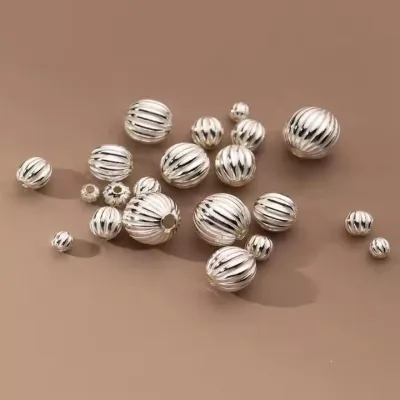
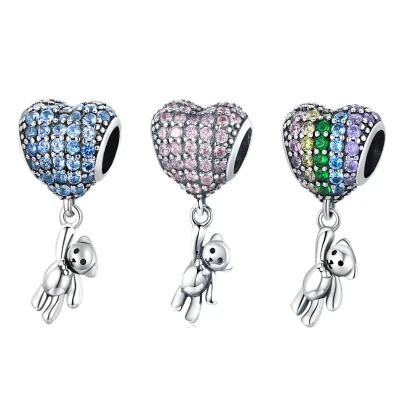

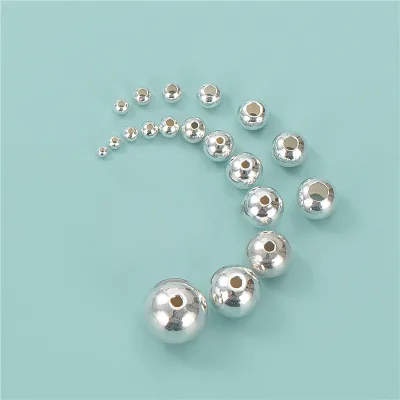
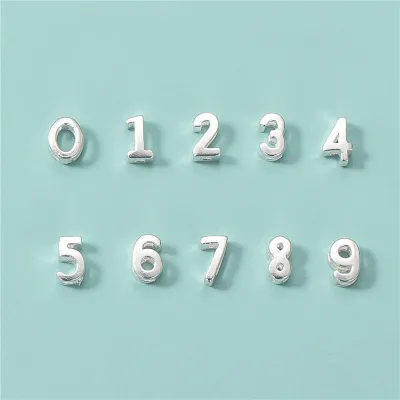






Comprehensive Sourcing Guide
Micro Insert Sterling Silver Beads Sourcing Guide
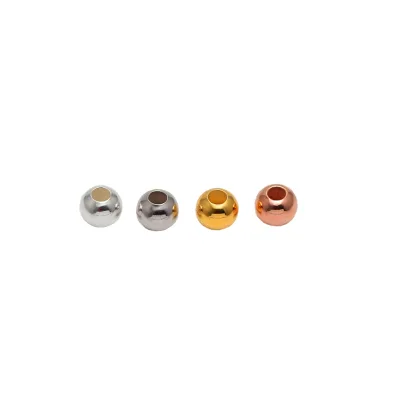
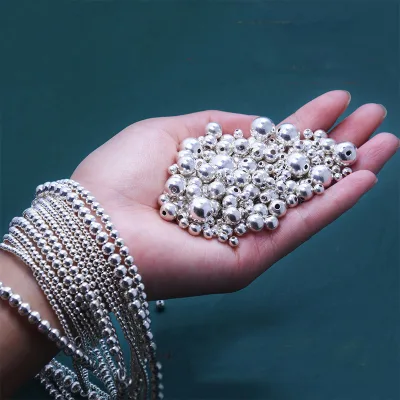
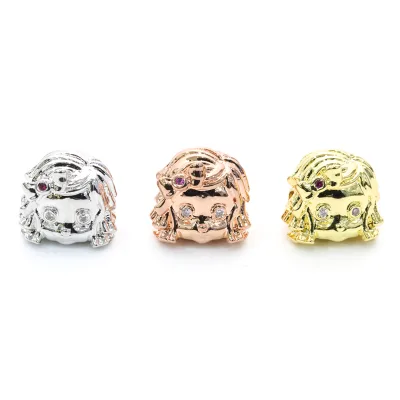
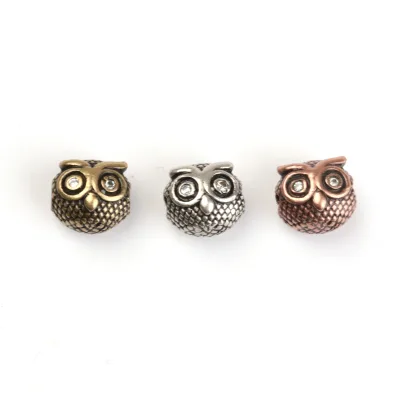
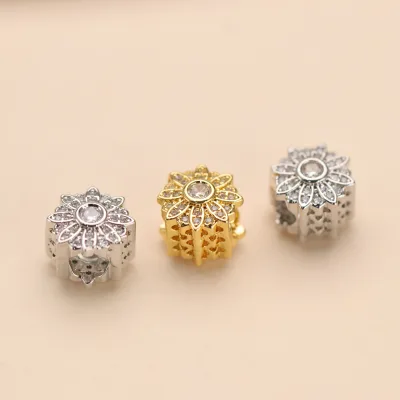
Procuring micro insert sterling silver beads requires a precise understanding of the specific alloy composition and plating standards available in the current market. Buyers must distinguish between solid 925 silver components and those utilizing copper alloys with silver plating, as the latter offers a cost-effective alternative for high-volume jewelry assembly. The observed product data indicates a diverse range of finishes, including sterling silver original, gold finished, rhodium finished, and rose gold options, which directly impacts the final aesthetic and durability of the jewelry piece.
When evaluating listings, it is critical to verify the exact metal type and plating thickness to ensure the product meets the intended design specifications. The market features items with diameters ranging from 2 mm to 12 mm, with corresponding hole sizes that must align with the specific wire or thread being used in the manufacturing process. Sourcing decisions should prioritize suppliers who clearly define whether the item is a solid metal bead or a plated finding, as this distinction fundamentally alters the material cost and the expected lifespan of the finished jewelry.
Product Scope and Observed Listing Signals
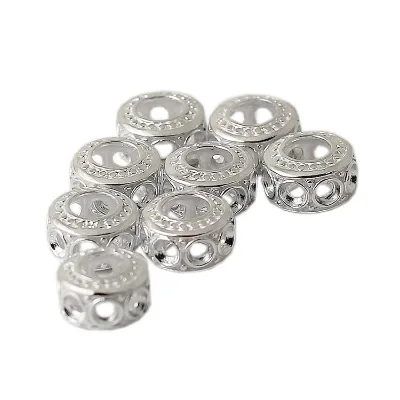
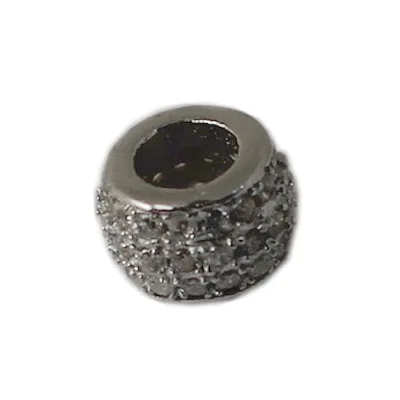
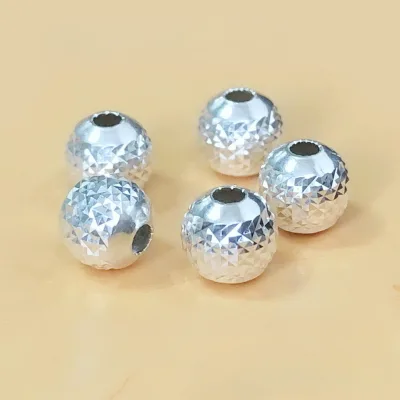
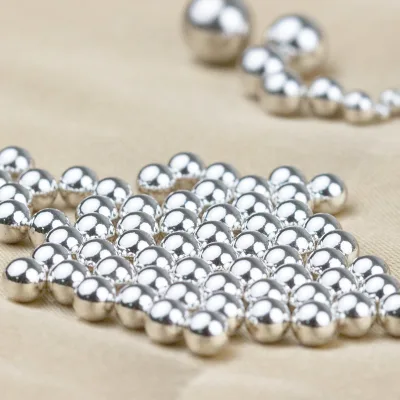
The available product scope encompasses a wide variety of shapes and sizes, predominantly featuring round beads designed for intricate jewelry making and bracelet construction. Listings frequently highlight specific model numbers such as 25690 and SH-JF119, which serve as unique identifiers for distinct design iterations and size configurations. Buyers should note that while some products are marketed with a classic design, others may feature mixed colors or specific plating like silver-plated copper alloy, necessitating careful review of the product attributes before placing an order.
Observation of listing signals reveals significant variation in packaging and weight, which can influence logistics planning and cost estimation. Single package sizes range from compact 1x1x1 cm units to larger 10x10x5 cm boxes, with gross weights varying from 0.001 kg to 0.030 kg depending on the quantity and density of the beads included. These physical attributes are essential for calculating shipping costs and determining the appropriate storage requirements for inventory management, ensuring that the procurement strategy aligns with the physical constraints of the supply chain.
Technical Specifications to Verify
Technical verification must begin with the precise measurement of bead diameter and hole size, as these dimensions dictate the compatibility with various jewelry findings and stringing materials. The observed data specifies diameters from 2 mm up to 12 mm, with hole sizes approximately ranging from 1.3 mm to 2 mm, requiring buyers to match these specifications exactly to their design blueprints. Any deviation in these measurements can lead to assembly failures or a compromised aesthetic, making it imperative to request detailed dimension charts from the supplier before finalizing a purchase.
In addition to physical dimensions, the material composition and plating type are critical technical parameters that must be confirmed for every batch. While some listings explicitly state the material as 925 silver, others indicate a copper alloy base with silver plating, which affects the item's weight, color retention, and resistance to tarnish. Buyers should verify the specific metal type and plating finish, such as rhodium or rose gold, to ensure the product meets the quality expectations for the intended application, whether it is for high-end custom jewelry or mass-market accessories.
Compliance and Safety Documentation
Compliance documentation is a vital component of the sourcing process, particularly when dealing with precious metals and jewelry findings intended for consumer use. The presence of GIA certification in some listings suggests a pathway for verifying the authenticity and quality of the silver content, although buyers must confirm if this certification applies to the specific batch or is a general supplier credential. Ensuring that the supplier can provide relevant test reports or material safety data sheets is essential for mitigating the risk of receiving substandard or non-compliant products.
Safety standards regarding nickel content and heavy metals are also paramount, especially for products that will be in direct contact with the skin. While the supplied facts do not explicitly list specific regulatory standards, buyers should proactively request documentation confirming that the plating and metal alloys comply with international safety regulations. This due diligence helps prevent potential health issues for end-users and protects the brand from liability, ensuring that the micro insert beads meet the rigorous safety expectations of the global jewelry market.
Cost Drivers and Commercial Terms
Cost drivers for micro insert sterling silver beads are primarily influenced by the metal content, with solid 925 silver items commanding a higher price point than copper alloy alternatives with silver plating. The observed price range of 0.06 to 500.08 USD reflects the vast difference between single-item purchases and bulk orders of high-value materials, requiring buyers to carefully calculate the unit cost based on their specific volume needs. Understanding these cost structures allows procurement teams to negotiate effectively and select the most economically viable option that still meets the required quality standards.
Commercial terms such as Minimum Order Quantity (MOQ) and lead times are equally critical factors that impact the overall procurement strategy. The observed MOQ range of 1 to 100 units offers flexibility for small-scale designers, while larger orders may benefit from volume discounts and more favorable shipping terms. Buyers should clarify the single package size and gross weight to accurately estimate freight costs, as these logistical details can significantly affect the total landed cost of the product, especially when importing from regions like Guangdong or Hebei in China.
Supplier Qualification and Quality Control
Supplier qualification should focus on verifying the consistency of their production capabilities and their ability to maintain strict quality control standards across different batches. The presence of multiple brands and model numbers in the market indicates a competitive landscape where buyers must assess the supplier's track record for delivering products that match the described specifications. It is advisable to request samples of different finishes and sizes to evaluate the consistency of the plating and the precision of the hole drilling before committing to a larger order.
Quality control measures must include a rigorous inspection of the bead dimensions, surface finish, and material integrity to ensure they meet the design requirements. Buyers should establish clear acceptance criteria for defects such as uneven plating, incorrect hole sizes, or material inconsistencies, and implement a sampling plan to verify these standards upon receipt. By maintaining a proactive approach to quality assurance, procurement teams can minimize the risk of production delays and ensure that the final jewelry products maintain their intended aesthetic and functional quality.
Long-Term Procurement Checks
Long-term procurement checks involve establishing a systematic process for monitoring supplier performance and product consistency over time. Buyers should regularly review the supplier's ability to meet delivery schedules and maintain the specified quality standards, as any deviation can disrupt the production timeline and affect the final product quality. Building a strong relationship with the supplier based on clear communication and mutual expectations is essential for ensuring a reliable supply chain for micro insert sterling silver beads.
Continuous evaluation of market trends and material costs is also necessary to adapt the procurement strategy to changing economic conditions. Buyers should stay informed about fluctuations in silver prices and the availability of alternative materials, such as copper alloys with enhanced plating, to optimize their sourcing decisions. By maintaining a flexible and informed approach, organizations can navigate the complexities of the jewelry supply chain and secure a steady flow of high-quality components for their manufacturing needs.
FAQs
What sizes are available for micro insert sterling silver beads?
Micro insert sterling silver beads are available in multiple diameters including 2 mm, 3 mm, 4 mm, 5 mm, 6 mm, 7 mm, 8 mm, 9 mm, 10 mm, and 12 mm. Hole sizes vary by diameter, typically ranging from approximately 1.3 mm to 2 mm. These dimensions allow for versatile jewelry making applications.
Can I find micro insert sterling silver beads with GIA certification?
Yes, some micro insert sterling silver beads come with GIA certification. This certification ensures the quality and authenticity of the materials used. Buyers seeking verified quality standards should look for listings that explicitly mention GIA certificates to guarantee the integrity of the sterling silver components in their jewelry projects.
Which plating options exist for micro insert sterling silver beads?
Micro insert sterling silver beads offer various plating options including silver plated, gold finished, rhodium finished, and rose gold finished. These finishes enhance the aesthetic appeal and durability of the beads. The base material is often sterling silver or copper alloy, providing different visual effects for diverse jewelry designs.
How are micro insert sterling silver beads packaged for shipping?
Micro insert sterling silver beads are typically packaged in OPP bags or single items with specific package dimensions. Standard package sizes include 10x10x5 cm, 9x8x12 cm, and smaller variants like 1x1x1 cm. The gross weight per item is generally low, around 0.001 kg to 0.030 kg, ensuring efficient shipping.
What is the minimum order quantity for micro insert sterling silver beads?
The minimum order quantity for micro insert sterling silver beads ranges from 1 to 100 units. This flexible MOQ allows buyers to test samples or order small batches. It supports both individual crafters and small businesses in sourcing quality sterling silver components without committing to large inventory volumes initially.
Where are micro insert sterling silver beads manufactured?
Micro insert sterling silver beads are manufactured in various regions of China, including Guangdong, Hebei, and Zhejiang provinces. These locations are known for their jewelry manufacturing hubs. Buyers can source products from these regions, benefiting from established supply chains and specialized production capabilities for metal beads and jewelry findings.